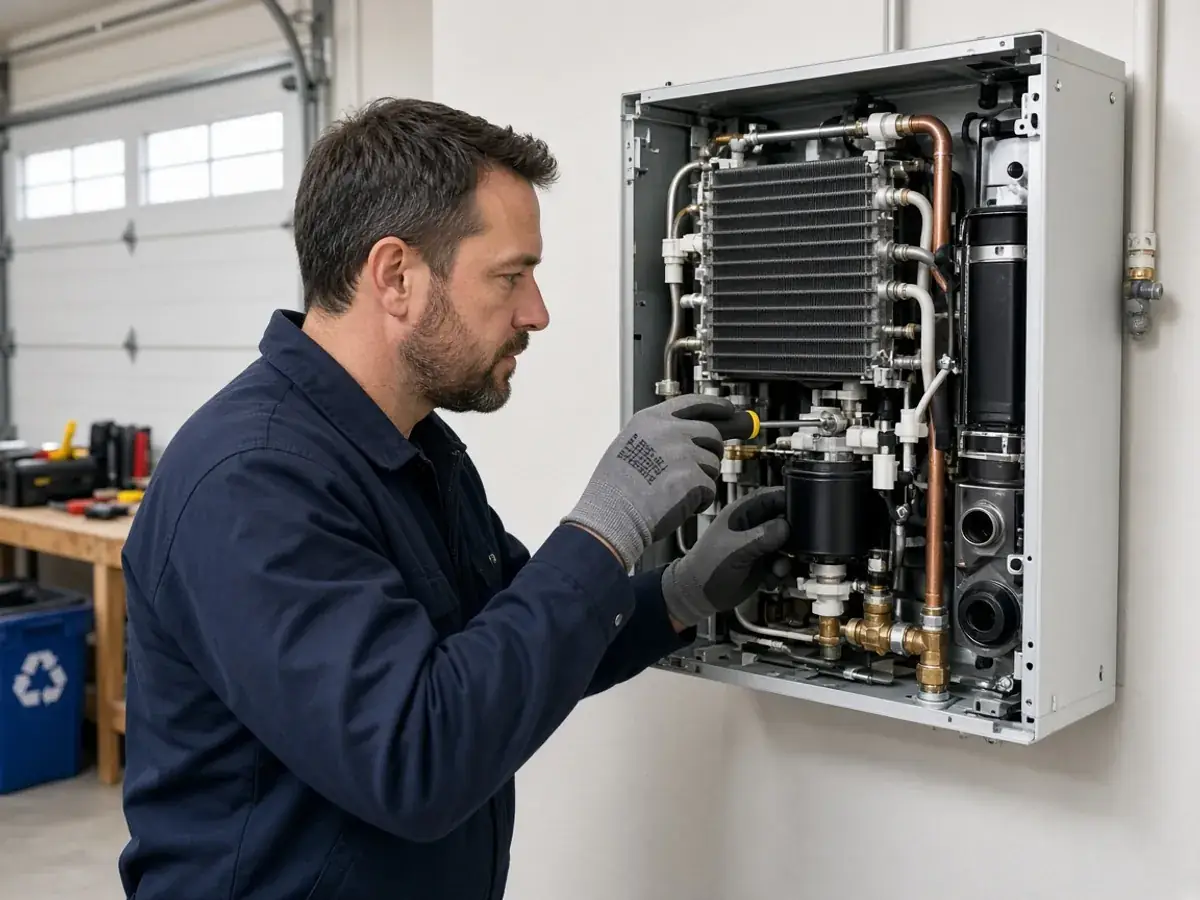
West of the San Gabriel River, Lakewood's city water is 100% groundwater pumped from deep wells, according to the city's annual water quality report. Groundwater carries dissolved minerals that can leave scale in water heaters, tankless units, faucets and showerheads. How much depends on the measured hardness, which the city publishes each year.
Where Lakewood's water comes from
The City of Lakewood water quality report says the city system uses 100% groundwater from its deep wells, with treatment facilities, about 13 million gallons of storage and a standby connection to imported Metropolitan Water District supplies for emergencies. Homes east of the river (ZIP 90715) are served by Golden State Water Company, which publishes its own report. See which utility serves your home.
What hardness does in a home
Hard water is water with higher levels of calcium and magnesium. When it's heated, those minerals come out of solution and form scale:
- Tank water heaters collect sediment on the bottom, which causes rumbling and reduces efficiency. See water heater repair.
- Tankless heaters get scale on the heat exchanger, which causes error codes and reduced flow. See tankless water heaters.
- Faucets and showerheads develop crusty aerators and clogged spray holes.
- Toilets can get mineral buildup in rim holes, which weakens flushes.
Not sure what you need? Talk it through by phone.
Call (708) 350-9399Practical steps
- Read the numbers. Check the latest annual report for hardness. Don't assume.
- Flush your tank heater periodically, as the manufacturer recommends.
- Descale tankless units on schedule, and make sure they have service valves.
- Clean aerators and showerheads with vinegar when flow drops.
- Consider treatment carefully. Water softeners and filters have trade-offs, including salt discharge, maintenance and cost. Talk them through with a qualified provider.
Groundwater and your pipes
Mineral scale is one reason older galvanized pipe narrows over time, together with corrosion of the steel itself. In Lakewood's 1950s homes, that combination is a common cause of low pressure. See galvanized pipes in Lakewood homes and water pressure problems.
Conservation
The city also uses recycled water for irrigation at dozens of sites, per its report, and posts conservation tips on its water services page. Fixing leaks is the easiest way to save water at home. See fixing leaks to save water.
A note on parks and public water use
Lakewood's parks, from Mayfair Park to the river trails, are part of what the city's water system supports, alongside homes and businesses. Its emergency interconnections with Long Beach, Cerritos, Signal Hill and Golden State Water add resilience.
When should you call a plumber about this?
Call when you see active leaks, water damage, sewage, repeated clogs, low pressure across the house, or anything involving gas. Call too when a job needs a permit, or when you're buying a home and want an inspection before you close. Describe what you've noticed, the home's age and your address or cross streets. You'll hear on the call whether your address and job are covered.
How was this guide researched?
This guide was written for Lakewood, California homeowners and checked against the sources below on November 11, 2026. Rules and prices change, so confirm anything important with the agency or provider. See our editorial policy.