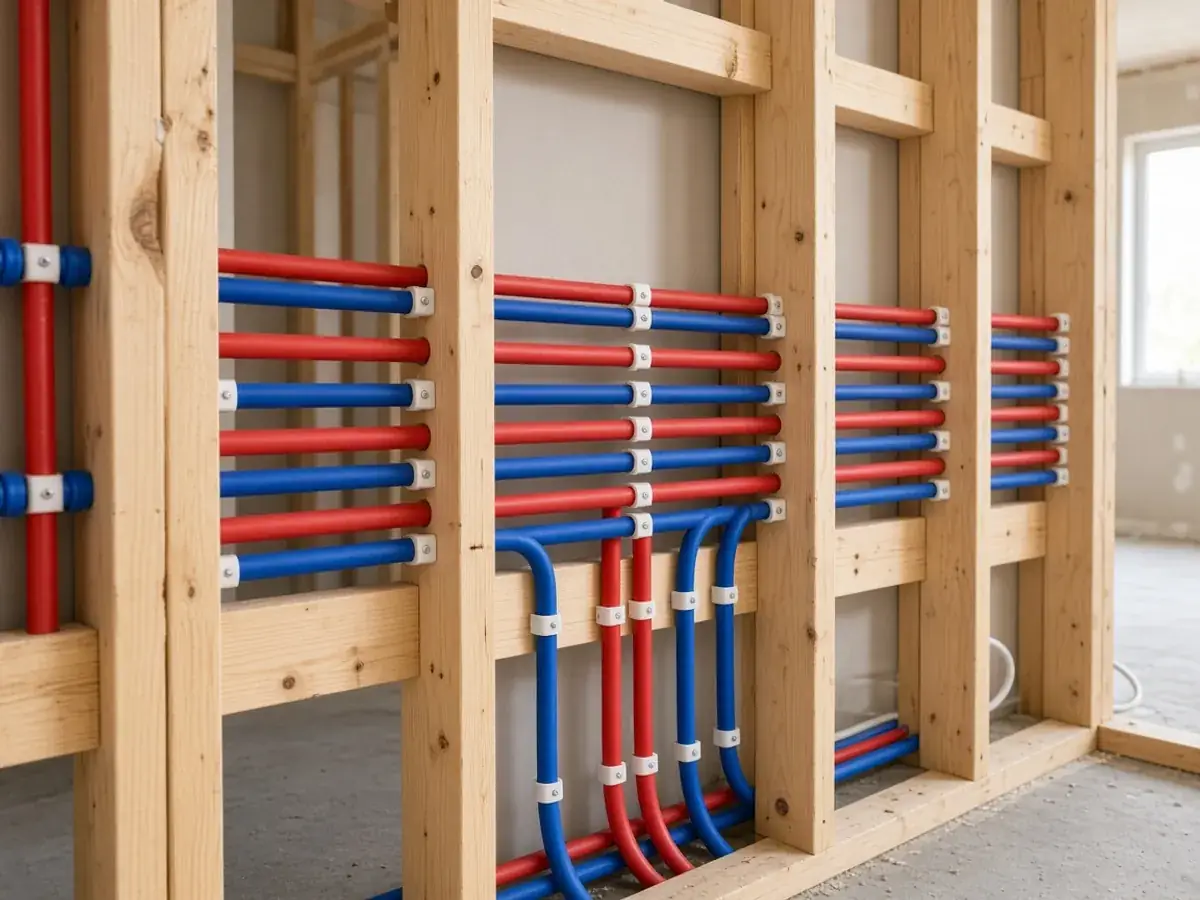
Repiping replaces a home's water supply pipes, usually old galvanized steel or failing copper, with new PEX or copper. Pipe repair fixes a single leaking or damaged section. In Lakewood, where most homes were built in the early 1950s, original galvanized supply lines that corrode from the inside are a common reason for low pressure, rusty water and repeat leaks.
Why galvanized pipe fails in older Lakewood homes
Galvanized steel pipe has a zinc coating that wears away over decades. The steel underneath then rusts and builds up scale on the inside, narrowing the opening. The result is low pressure, especially on hot water and upstairs or far-end fixtures, brown or rusty water after the tap sits, and leaks at threaded joints. Homes built across the Lakewood Park, Mutuals and Carson Park tracts between 1950 and 1953 are now more than 70 years old, so original galvanized pipe that has never been replaced is near or past the end of its service life.
Repair or repipe?
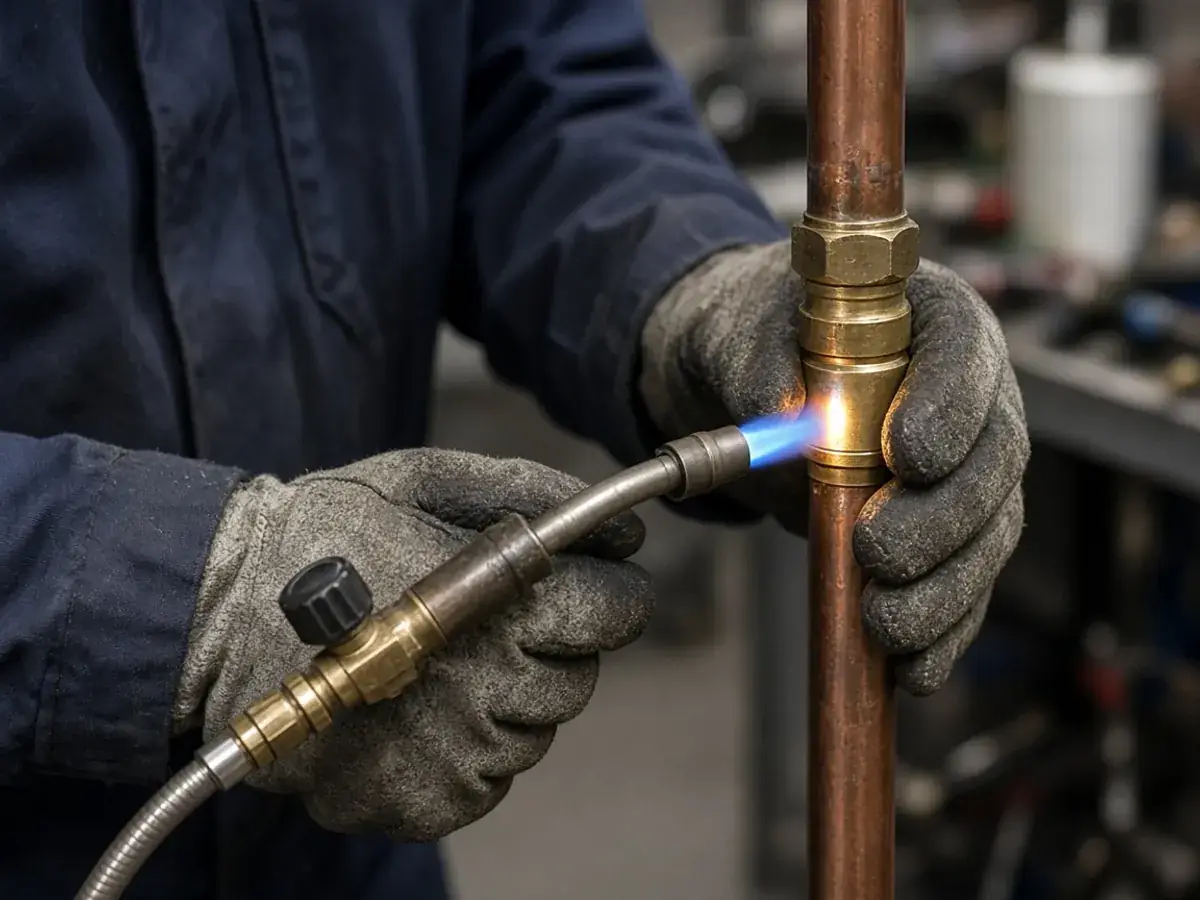
A single leak in an otherwise sound copper system is usually a spot repair. Repeated leaks, widespread low pressure, discolored water from many fixtures, or galvanized pipe that is visibly rusted at the water heater and hose bibs point toward repiping. Repairing one section of old galvanized pipe often moves the stress to the next weak joint. Our repiping cost guide and PEX vs copper comparison help with the decision.
Not sure what you need? Talk it through by phone.
Call (708) 350-9399How a repipe works in a slab home
In many Lakewood slab houses, the supply lines are run through the attic and dropped down inside the walls to each fixture instead of going back under the slab. The provider opens small sections of drywall, runs new lines, connects fixtures and the water heater, pressure-tests the system and patches the openings. Most single-story repipes take a few days, with water restored at the end of each day where possible.
Permits and inspections
The City of Lakewood lists plumbing work among projects that often need a permit and issues plumbing permits through Building and Safety, according to its permits page. A repipe normally needs a permit and inspection. Ask whether the quote includes the permit, drywall patching and painting, and who will be there for the inspection.
Related problems to check at the same time
Old galvanized pipe often goes with an aging water heater, worn shutoff valves and a pressure regulator that is failing or missing. If you are repiping, ask about replacing the main shutoff and fixture stops at the same time. If pressure is the main complaint, read water pressure problems first, because a failing regulator or a utility-side issue can look like bad pipe.
What should you have ready when you call about repiping?
- Your address or nearest cross streets, so coverage can be checked.
- What you've noticed, where in the house, and when it started.
- Which fixtures are affected, and whether more than one is acting up.
- Anything you've already tried or shut off.
- The home's approximate age, and whether it's on a slab, if you know.
Where around Lakewood can you call about repiping?
Calls come from all three Lakewood ZIP codes, 90712, 90713 and 90715, and from nearby cities. There are local repiping pages for Bellflower, Cerritos, East Long Beach, Paramount, Hawaiian Gardens, Artesia, Downey, Norwalk, Signal Hill, Los Alamitos, Cypress, Seal Beach. Coverage for your exact address is confirmed on the call.